
Fractional growth lead for D2C & marketplace brands

You’ve got product-market fit. Now every new customer costs more than the last.

I work with D2C and marketplace brands past their first million or two in run rate, at the point where growth plateaus, acquisition gets more expensive every month, or nobody can agree on which channel or market comes next. Fifteen-plus years doing this inside brands, hands-on. Now I also rebuild how teams work: auditing the martech stack and embedding agentic workflows so the same people ship more.

I’m Thomas. The dog has no opinions about your CAC. I have several.

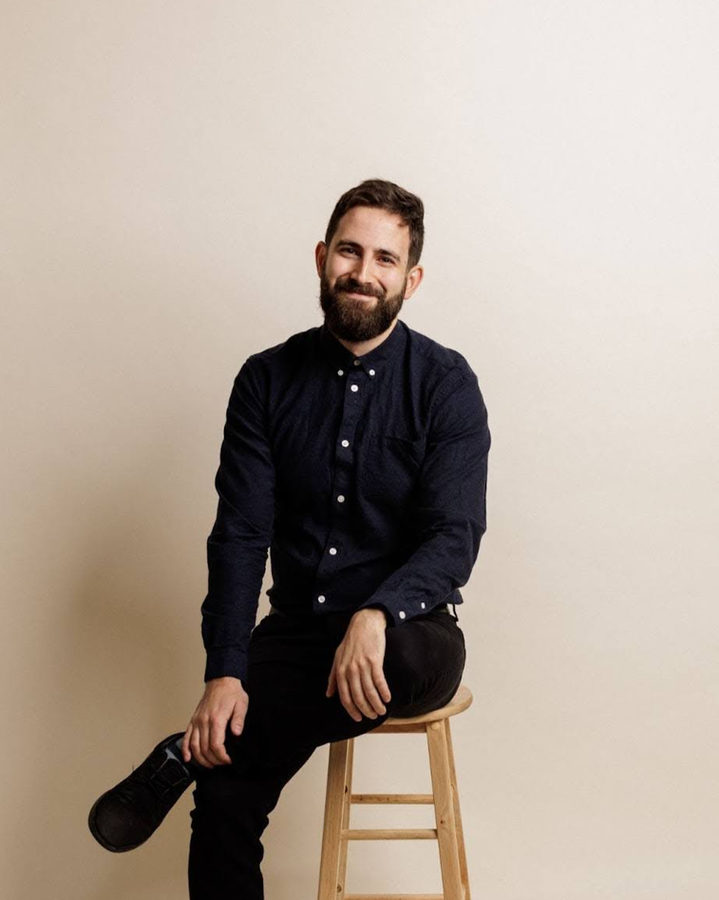
Thomas Robinson, founder of DirectToGrowth Co., with his dog
15+ yearsrunning growth inside Amazon, Tiege Hanley and D2C brands up to $30M+. The dog is not available for engagements.
Track record

Eight-figure brands, grown 30% to 120% a year. Here is where each one started, and what my job was.

A result is easy to quote and hard to check. Each of these shows where the brand started, what I did, what moved, and the playbook that makes it repeatable.

  • No channel to sell you
  • Guardrails agreed with finance
  • Strategic, and in the ad account
  • A finish line and a handover
Startup → $20M+

Five years as the growth lead at a men’s skincare brand

Reporting to the CEO as the brand grew from startup to $20M+. The whole mix, not one channel: Meta, YouTube creators, lifecycle, and the Amazon business below.

Growth lead, reporting to the CEO · 5 years


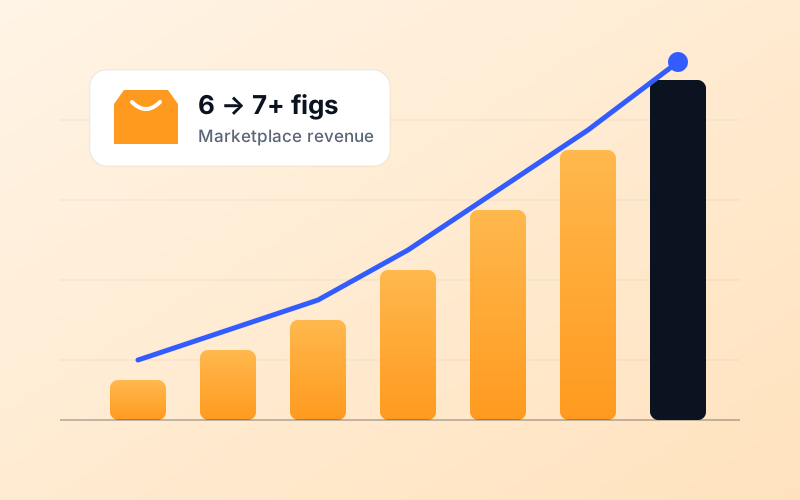
$6M+ on Amazon

From a mid-six-figure plateau, in two years

One hero SKU doing 95% of sales, ad spend parked on branded terms, TACoS climbing. Rebuilt the keyword portfolio, merchandising, deals, forecasting and demand gen, then rolled the playbook into Canada, Europe and Mexico. Double-digit TACoS reduction and record contribution margin.

Owned the Amazon P&L end to end · 2 years
7-figure creator program

Scaled while ad cost as a share of revenue fell

YouTube was saturating as a direct-response channel. Repositioned it as full-funnel demand gen, priced creators on measured halo lift in branded search, direct and organic, and automated sourcing and contracting. Spend reached seven figures. Total ad cost as a share of revenue went down. Record EBITDA efficiency.

Owned paid media and the creator program
Lower CAC, more customers

Meta restructured at a $30M+ shower filter brand

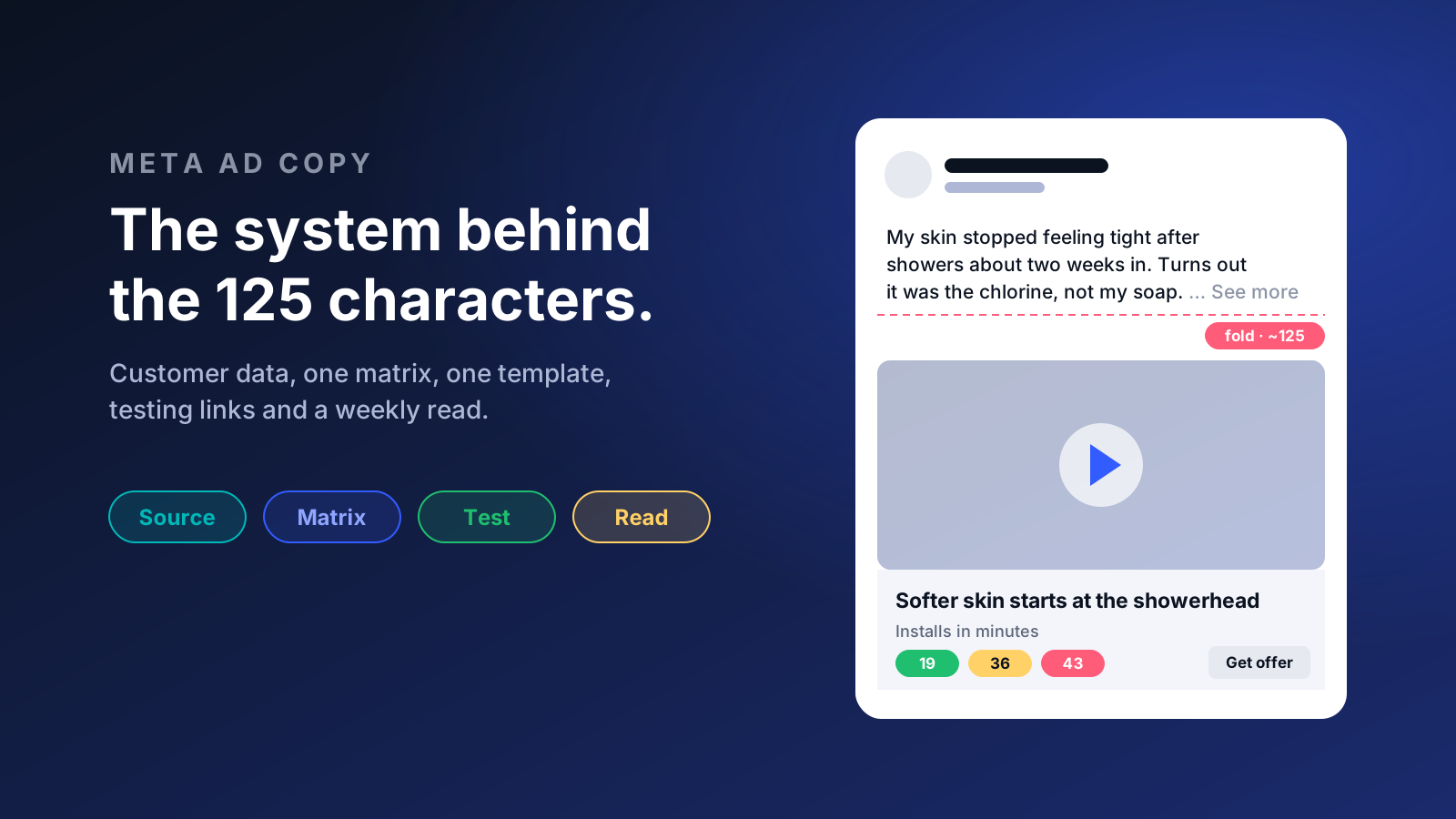
Most of the budget was stuck in learning: too many near-identical ads, launched sporadically, with no feedback loop. Calibrated the launch cadence, tagged every ad by customer problem and format, consolidated the account and rebalanced education against offers. In-platform ROAS looked worse for a while. Blended new-customer CAC fell and new-customer volume rose, which is what reaches the P&L.

Fractional growth lead
  • 30–120% CAGREight-figure D2C brands grown at that pace, as growth lead or fractional growth lead
  • 15+ yrsRunning growth: five years inside Amazon, finishing as Outbound Marketing Lead for Europe, then inside the brands selling on it
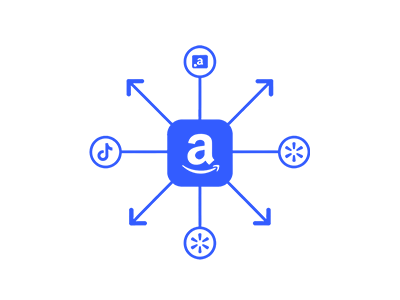
  • OmnichannelShopify, Amazon, Walmart and TikTok Shop, plus retail: Home Depot, Ulta, Nordstrom, Target and more
  • Macro growth leversExecuted, not just planned: celebrity and ambassador partnerships, international expansion, product and category launches, retail rollout and new sales channels
How I run my own operation

The weekly work runs on agents. I approve what matters.

Rounded figures from an eight-figure D2C operation I run this way, given as an example of scale, not a promise for yours.

  • Between 15 and 25 hours of analyst work a week now runs on a schedule, in two to three hours of agent run time. Roughly half an analyst, without hiring one.
  • The large majority of changes in the paid-search account in a month are made by agents under written rules, each logged and reversible.
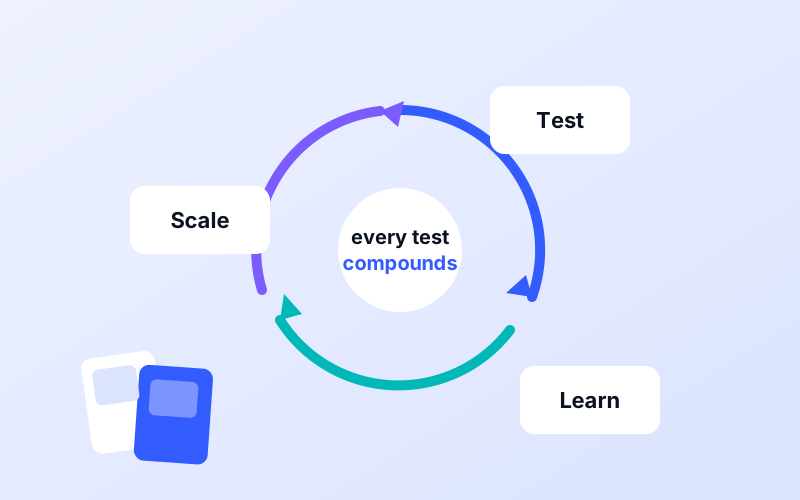
  • Landing-page test starts went from a few a month to several a week once the tracker stopped depending on a person.
  • Creator spend gets a decision per page every week. In a typical week, the pages flagged to cut carried most of the creator budget.
The first 30 days

Guardrails first. Then the channel spending the most money.

I don’t do a lot of analysis for its own sake. The point is to get the full picture fast and start solving the problem I was brought in for.

  • The P&L: is marketing spend tagged properly, and what are the EBITDA and growth goals?
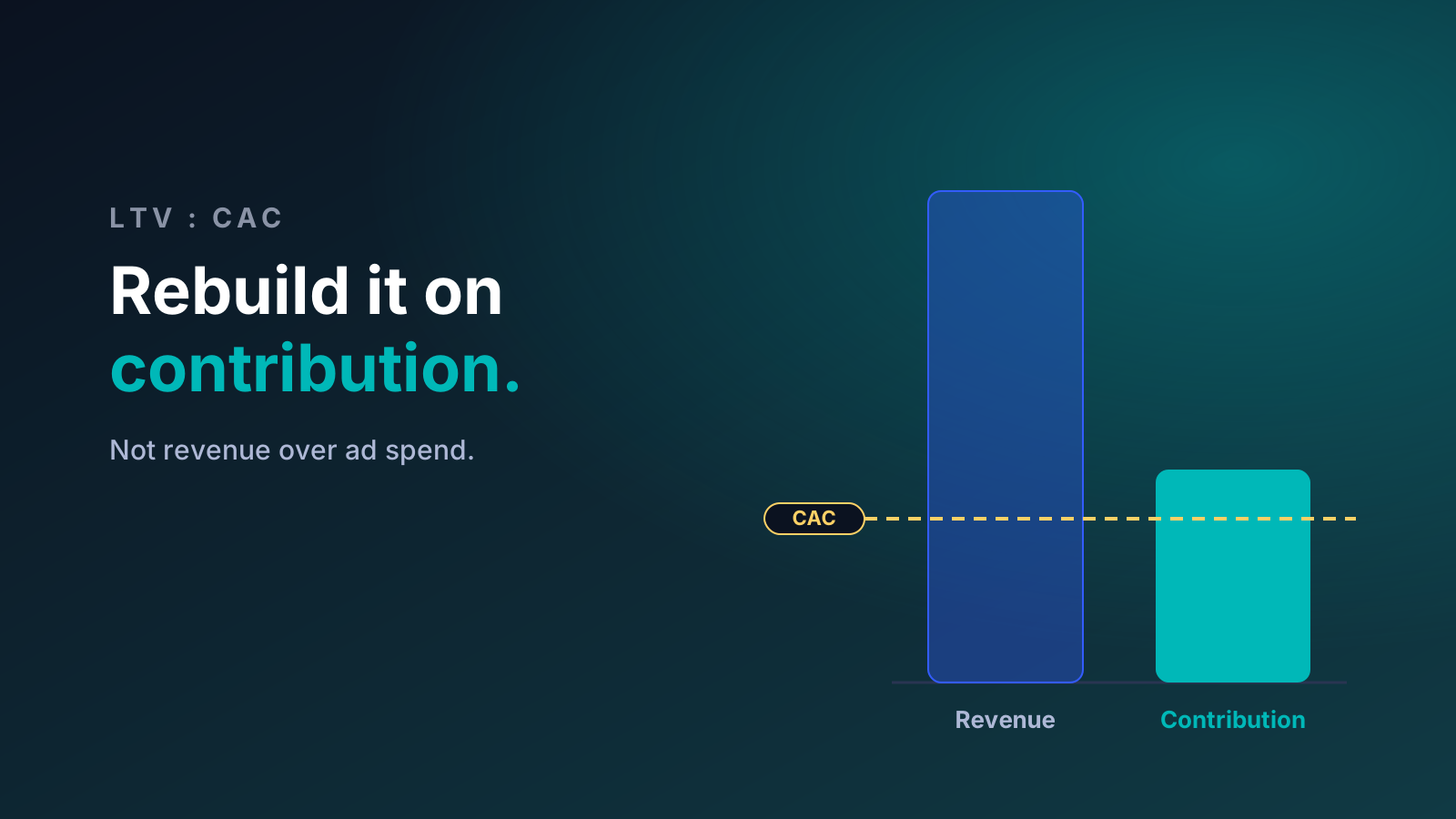
  • The guardrails: marketing as a share of net revenue, and CAC against twelve-month contribution. Agreed with finance, not assumed.
  • The biggest channel: where the money is going, which funnel position, how much overlap. Tighten that before touching anything new.
  • The project: a launch, Black Friday, international, a new channel. Scoped around the problem, then executed.
What this looks like in practice

Three problems that weren’t what the founder thought they were.

Marketplaces

“Canada doesn’t work for us.”

A brand had ruled out shipping into Canada because an early trial produced bad reviews. The data said something else: the badly reviewed SKU was a 1.0 version with the same complaints in the US, and it happened to be the one selling in Canada. Not a marketplace problem. A SKU distribution problem. That changes the question from “should we go” to “which products go.”

Paid media

“Meta is saturating.”

At a $30M+ shower filter brand spending heavily on Meta, most of the budget was stuck in learning. Too many near-identical ads launched too sporadically, with no feedback loop. We calibrated the launch cadence, tagged every ad by customer problem and format, consolidated the structure for that account, and rebalanced education against offer ads. In-platform ROAS looked worse for a while. Blended new-customer CAC went down and new-customer volume went up, which is the number that reaches the P&L.

Expansion

“We need a new channel.”

At a men’s skincare brand, the easiest incremental win on Amazon wasn’t a new channel at all. It was the same playbook, rerun in Europe through Pan-EU, where competition was thinner and most of the tax and logistics groundwork already existed. The path of least resistance is usually a proven playbook in a new market, not a new playbook in the same one.

Client examples are described by category and scale, not by name.

From people I’ve worked with

What founders and CMOs say

★★★★★
“Tom is, without a doubt, the best communicator I’ve encountered in business.”
Grace ManwaringCMO, Kava Haven
★★★★★
“He challenged my thinking and added net new value — that’s rare in this space.”
Kazzy KhazalCo-Founder & CEO, Dreamwell.ai
★★★★★
“Working with a good strategist that knows the platforms and is ready to pull levers is rare — but required for brands that want to grow today.”
Travis SaintChief Growth Officer, Sleepout Curtains

Brands I’ve worked with

Heard on

Episodes, clips and booking details →

Past $1M and growth is getting more expensive?

A free 20-minute intro call. Bring the numbers. I’ll tell you plainly whether I can help, and where I’d look first.

FAQ

The questions I get on the first call

Something else? Send me a message.

Who is this for?
Brands with real product-market fit: strong reviews, loyal customers, traction in at least one channel, usually past $1–2M in run rate. Enough data to dig into. The problem is what comes next. Acquisition is getting more expensive, the biggest channel is plateauing, or you need a clear path into a new channel, market or category.
What happens in the first 30 days?
I start with the P&L. I make sure marketing spend is tagged properly, understand the EBITDA and growth goals, and agree the guardrails with finance: marketing as a share of net revenue, and CAC against what a customer contributes in twelve months. Then I go to the channel spending the most money and tighten it up, or start on the project you brought me in for. Not much analysis for its own sake. Get the full picture quickly and solve the problem.
Do you execute, or just advise?
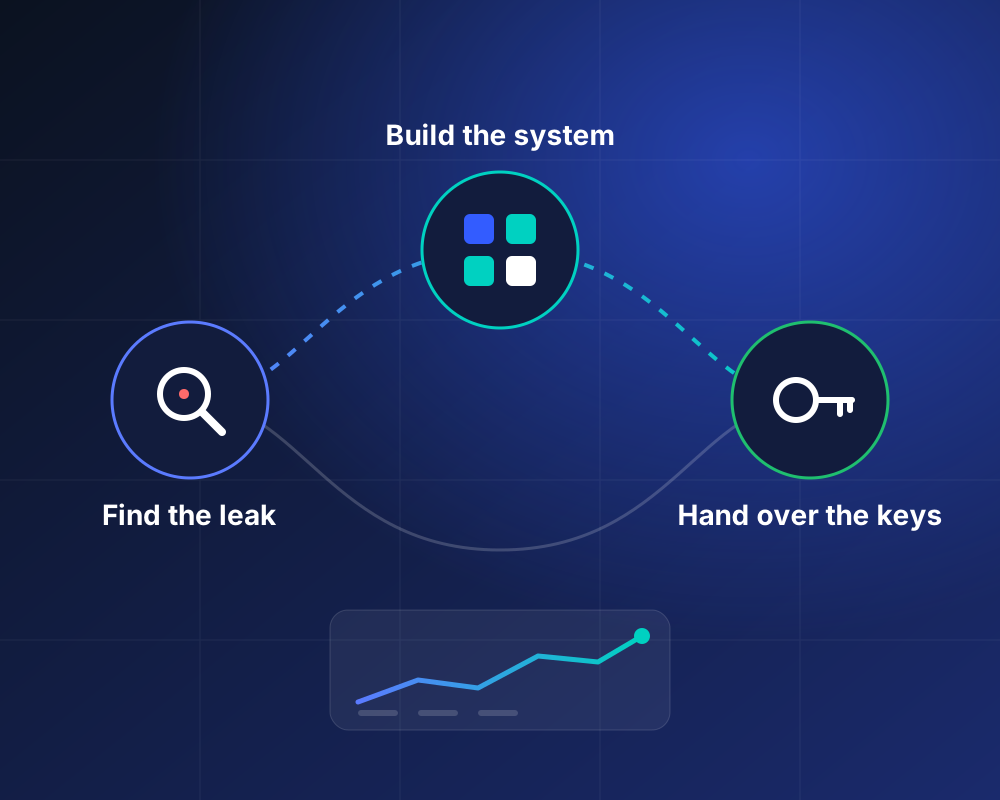
Both, and it depends on the engagement. Sometimes I work alongside your team or agency and bring the insight. Sometimes it’s “audit the Google account and find the wins,” down to better RSAs and landing pages. Sometimes it’s “take over this channel, launch it, build the playbook and hand it over.” We agree the scope around the problem.
How do you judge whether it’s working?
Platform metrics tell me what’s happening inside a channel. The business runs on blended new-customer CAC, new-customer revenue against total spend, new-customer volume, and marketing spend as a share of net revenue. If Meta’s in-platform ROAS gets worse for a month while those numbers get better, that’s a trade I’ll make.
How is this different from an agency?
An agency has a channel to sell you. I don’t. I’ll tell you whether the problem is the channel, the execution, the SKU mix or the measurement, and I’d rather find a predictable incremental win in a channel that already works than push you into the one everyone is talking about this quarter.
How long is an engagement?
Most run one to three months with a clear finish line, then a handover. Some brands keep me on for a specific project after that: a launch, Black Friday, international, a new channel. There is no retainer that runs because nobody cancelled it.
How do we start?
Book a free intro call. Bring your channels, your numbers and what’s stuck. I’ll tell you plainly whether I can help, and if not, who might.
Book an intro call